Advancing power transmission
High-voltage power transmission lines play a critical role in delivering electricity efficiently across vast distances. One key component that has revolutionized the reliability and performance of these lines is the use of composite long-rod insulators. In this article, we will explore the application, benefits, and advancements associated with these insulators in the realm of high-voltage power transmission.
Understanding Composite Long Rod Insulators
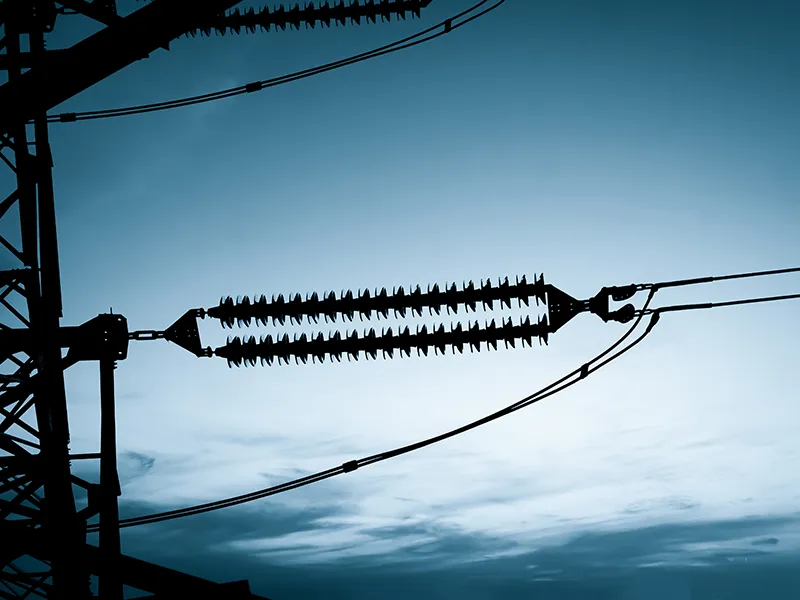
Composite long rod insulators are a type of insulating device designed to provide electrical insulation in high-voltage transmission lines. Unlike traditional porcelain insulators, composite insulators are made from a combination of materials, such as fiberglass reinforced with epoxy resin or silicone rubber. This composite construction offers several advantages over traditional insulators.
Advantages of Composite Long Rod Insulators:
- Lightweight and Durable: Composite materials are significantly lighter than porcelain, making them easier to handle during installation. The durability of these materials ensures a longer lifespan, reducing the need for frequent replacements.
- Resistance to Pollution: Pollution, especially in industrial or coastal areas, can lead to insulator surface contamination. Composite long rod insulators exhibit superior pollution resistance, maintaining their performance even in harsh environmental conditions.
- High Mechanical Strength: The combination of materials in composite insulators provides high mechanical strength, making them less prone to breakage due to external forces like wind, ice, or mechanical stress.
- Reduced Maintenance Costs: The robust nature of composite long rod insulators results in lower maintenance requirements compared to traditional insulators. This can lead to cost savings over the lifespan of the transmission line.
- Improved Performance in Contaminated Environments: In areas with heavy pollution or salt deposition, composite insulators outperform porcelain insulators. Their hydrophobic nature prevents the accumulation of contaminants, ensuring reliable performance in challenging conditions.
Applications in High Voltage Power Transmission:
- Extra High Voltage (EHV) Lines: Composite long rod insulators are widely used in extra high voltage transmission lines, where their lightweight and high mechanical strength prove particularly advantageous.
- HVDC Transmission Lines: High Voltage Direct Current (HVDC) transmission lines, known for their efficiency in long-distance power transmission, benefit from the pollution-resistant and durable characteristics of composite insulators.
- Coastal and Industrial Areas: Regions with high pollution levels, such as coastal or industrial areas, benefit from the pollution-resistant properties of composite insulators, ensuring consistent performance over time.
The application of composite long rod insulators in high-voltage power transmission lines represents a significant leap forward in the quest for reliability, durability, and efficiency. As technology continues to advance, these insulators will play a crucial role in shaping the future of power transmission, providing sustainable solutions for the growing demand for electricity across the globe.