Medium voltage power cables are integral components of electrical distribution systems, playing a crucial role in transmitting power across various applications. Whether used in industrial settings, utilities, or infrastructure projects, highlighting key facts about medium-voltage power cables is essential for informed decision-making and efficient operations.
Voltage range and applications
Medium voltage power cables typically operate in the voltage range of 1 kV to 69 kV, making them suitable for various applications such as:
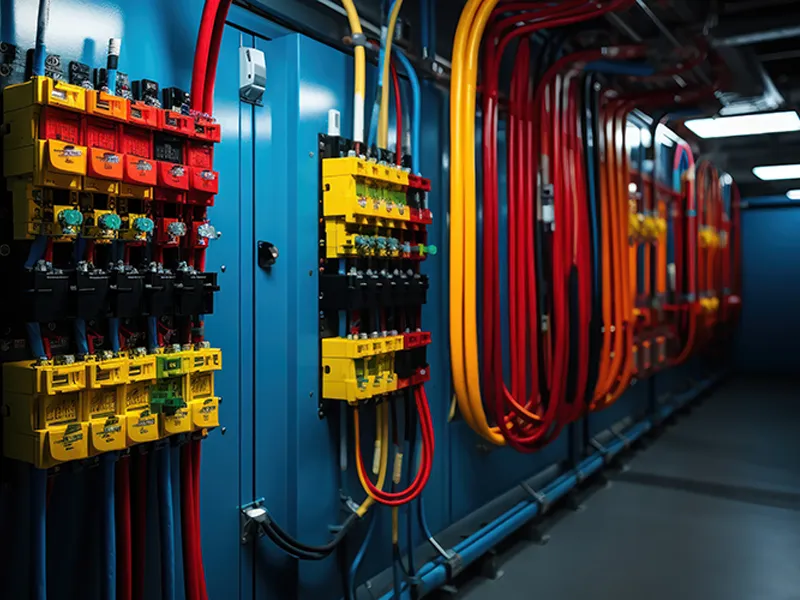
- Industrial Facilities: Medium voltage cables are commonly employed in industrial settings to power machinery, equipment, and manufacturing processes.
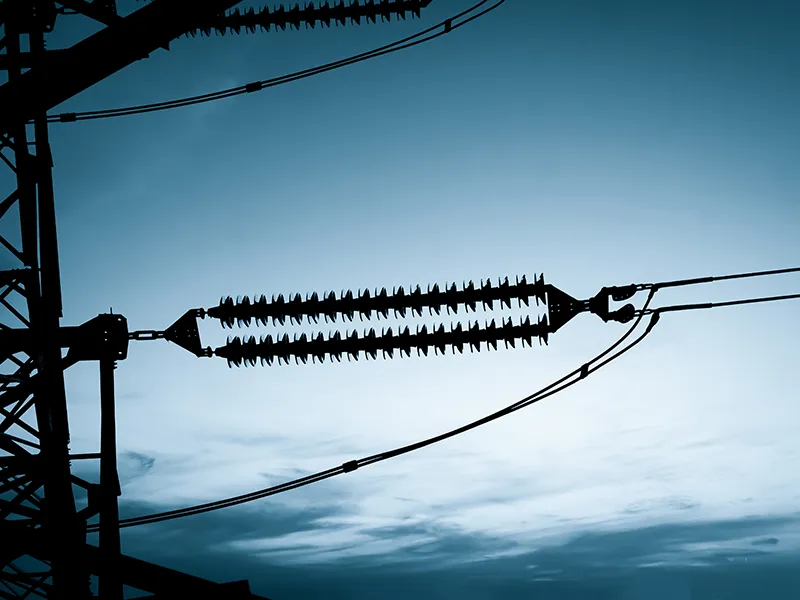
- Utilities and Distribution Networks: They form the backbone of distribution networks, facilitating the efficient transmission of electricity from substations to residential and commercial areas.
- Renewable Energy Projects: Medium voltage cables are instrumental in connecting renewable energy sources, such as wind and solar farms, to the larger power grid.
Construction and Insulation materials
Understanding the construction and insulation materials used in medium-voltage power cables is crucial for ensuring reliability and longevity. Key points include:
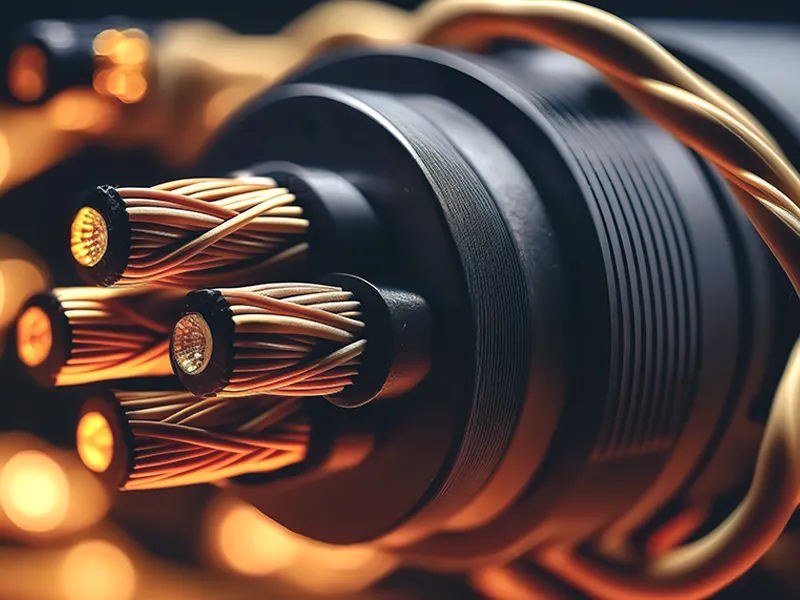
- Conductor Materials: Copper and aluminum are the primary conductor materials. Copper offers high conductivity, while aluminum provides a cost-effective alternative.
- Insulation Types: Various insulation materials are used, including XLPE (cross-linked polyethylene) and EPR (ethylene propylene rubber). XLPE is known for its thermal and chemical resistance, while EPR is preferred for its flexibility and durability.
Temperature ratings and environmental considerations
Medium voltage power cables operate in diverse environments, and being aware of temperature ratings and environmental considerations is vital:
- Temperature Ratings: Medium voltage cables are designed to withstand different temperature conditions. Understanding temperature ratings ensures proper cable selection for specific applications.
- Installation Conditions: Consideration of installation conditions, such as burial underground, exposure to sunlight, or proximity to water sources, is essential to prevent cable damage and ensure optimal performance.
Compliance with Standards and Regulations
Compliance with industry standards and regulations is a critical aspect of medium-voltage power cables:
- National and International Standards: Ensure that the selected cables comply with relevant national and international standards to guarantee quality, safety, and reliability.
- Environmental and Safety Regulations: Adherence to environmental and safety regulations is crucial, especially in industries with stringent guidelines for cable installations.
Maintenance Requirements and Life Expectancy
Knowing the maintenance requirements and life expectancy of medium voltage power cables contributes to cost-effective and sustainable operations:
- Periodic Inspections: Regular inspections help identify potential issues, ensuring timely maintenance and preventing unexpected failures.
- Life Expectancy: Understanding the life expectancy of medium voltage cables aids in planning for replacements or upgrades, minimizing downtime, and optimizing performance.
Highlighting these key facts about medium voltage power cables provides a comprehensive understanding of their features, applications, and considerations. Whether making decisions about cable selection, installation, or maintenance, being well-informed contributes to the reliability and efficiency of electrical systems across diverse industries and applications.