Vibration dampers play a crucial role in the cable and energy industry, where the reliability and stability of structures and equipment are paramount. This article explores the function, differences between types, and applications of vibration dampers specifically tailored for the cable and energy sector.
Function of Vibration Dampers in the Cable and Energy Industry
Mitigating Vibrations in Power Lines: In the cable and energy industry, power lines are susceptible to vibrations induced by wind, dynamic loads, and other external factors. Vibration dampers are employed to mitigate these vibrations, preventing potential damage to the power lines and associated components.
Enhancing Cable Longevity: Vibrations can lead to fatigue and wear in cables, affecting their structural integrity over time. Vibration dampers help enhance the longevity of cables by absorbing and dissipating the vibrational energy, reducing the risk of premature failure.
Types of Vibration Dampers in the Cable and Energy Industry
1. Stockbridge Dampers
- Cable Vibration Control: Stockbridge dampers are specifically designed for controlling cable vibrations. They consist of a mass-spring system that effectively countersact the oscillations induced by wind or other external forces.
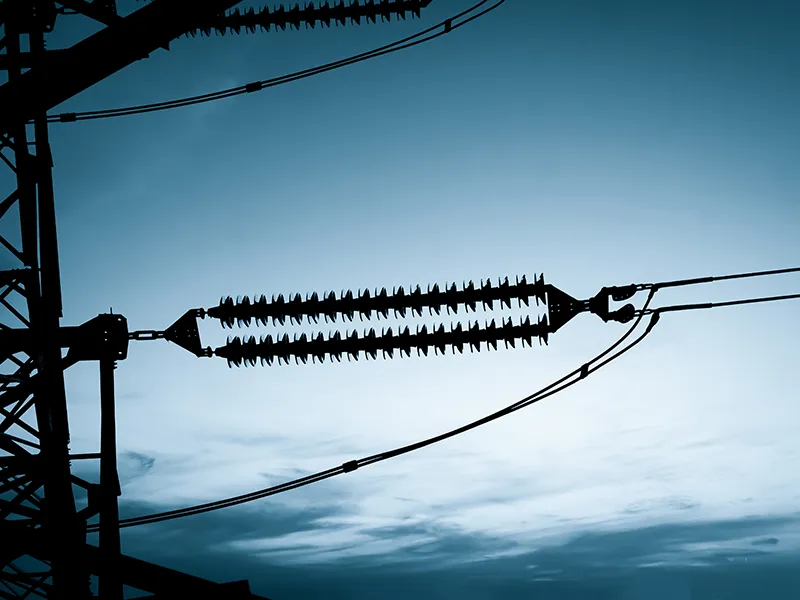
- Overhead Transmission Lines: Widely used in overhead transmission lines, Stockbridge dampers are instrumental in maintaining the stability of cables, particularly during adverse weather conditions.
2. Helical Vibration Dampers
- Enhanced Damping Efficiency: Helical vibration dampers utilize helical springs to provide enhanced damping efficiency. The helical design enables effective dissipation of vibrational energy.
- Substation Applications: Helical dampers find applications in substations where they are installed to control vibrations in cable systems, ensuring the reliability of power distribution networks.
3. Spacer Dampers
- Mechanical Integrity: Spacer dampers are designed to maintain the mechanical integrity of bundled conductors by preventing galloping and oscillations. They are particularly relevant for high-voltage transmission lines.
- Preventing Aeolian Vibrations: Spacer dampers are effective in preventing aeolian vibrations, which occur due to wind-induced oscillations in the cables, ensuring a stable and secure power transmission.
Applications in the Cable and Energy Industry
1. Overhead Transmission Lines
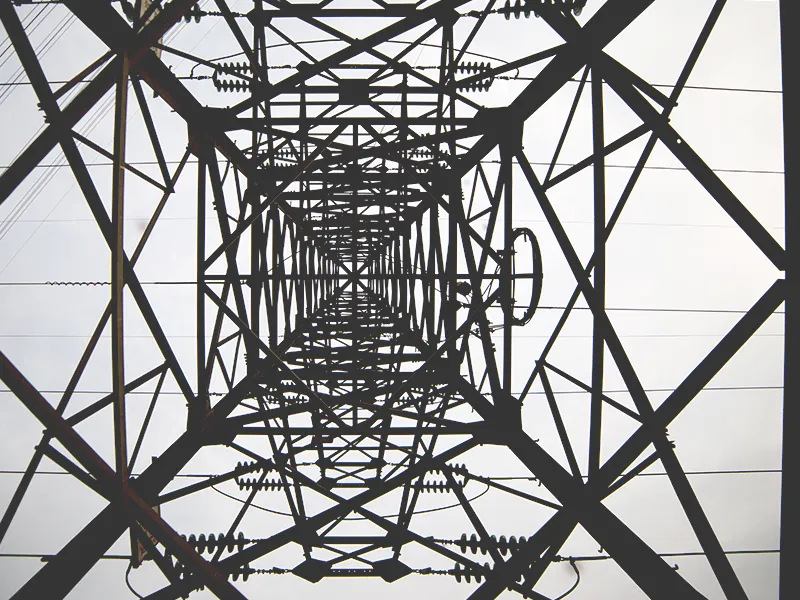
In the cable and energy industry, vibration dampers are extensively applied in overhead transmission lines to control conductor vibrations. This is crucial for maintaining the structural integrity of power lines, preventing sagging, and ensuring efficient energy transmission.
2. Substation Equipment
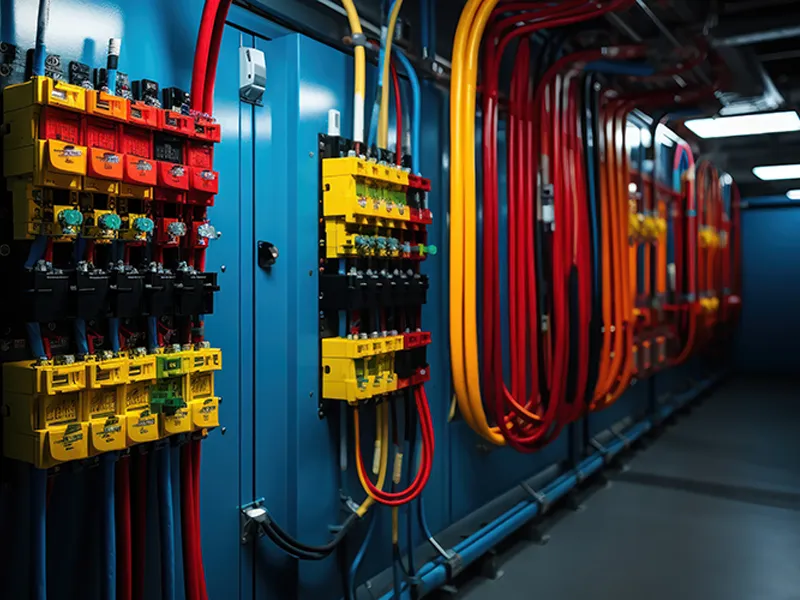
Vibration dampers are installed in substations to control vibrations in various components, including cables and support structures. This is essential for preserving the reliability and longevity of the equipment within the substation.
3. Wind Turbines and Renewable Energy Infrastructure
In the realm of renewable energy, vibration dampers play a role in wind turbines. They help control vibrations in the turbine structure and cables, contributing to the overall stability and efficiency of renewable energy infrastructure.
In the cable and energy industry, where the reliability of power transmission is paramount, vibration dampers emerge as crucial components. Whether applied in overhead transmission lines, substations, or renewable energy infrastructure, these dampers contribute to the control of vibrations, ensuring the longevity and efficiency of cable systems.
Understanding the specific types and applications tailored for the cable and energy sector allows for the optimal integration of vibration dampers, contributing to the overall stability and reliability of the energy grid.